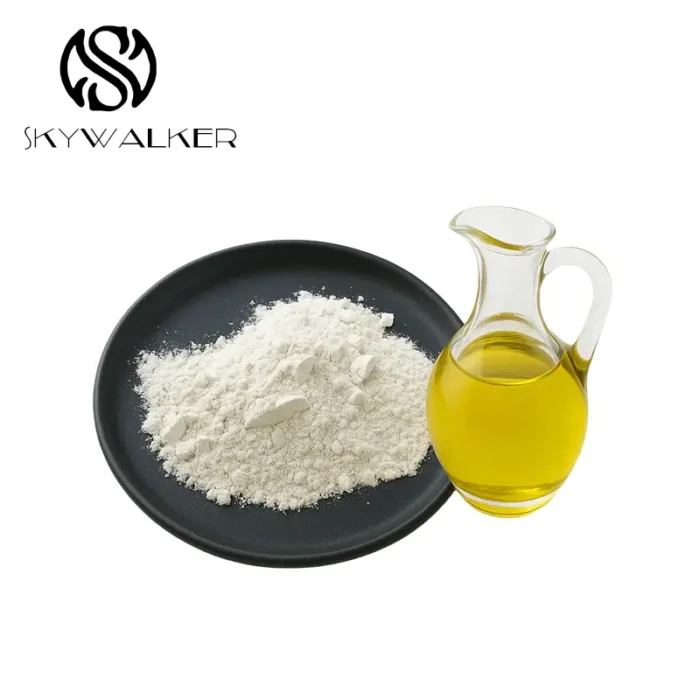
Fathoming activated detoxifying mineral obligates a deep scrutiny of its characteristics. This singular material is typically executed in the purification of fats, efficiently clearing blemishes. The processing approach typically involves electrical treatment, enhancing its binding efficacy to seize colored pigments. Eventually, this report will explore the principles behind processed bleaching clay and its roles.
Detoxifying Clay Distributors: Securing the Fitting Collaborator
Obtaining a credible distributor of whitening compound is critical for many enterprises, particularly those involved in edible oil processing. Picking the suitable source requires comprehensive consideration beyond just expense. Review their background in whitening compound sourcing, their quality control procedures, and their capacity to consistently fulfill your required amount needs. A trustworthy bleaching earth source will also offer consultation and a variety of classes to match your distinct application.
This Theory Behind Refined Clarifying Material
Treated bleaching material, a cornerstone of the refining technique for edible oils, functions through a fascinating mixture of mechanical and chemical processes. Initially, naturally occurring smectite is activated – a method involving heat and elements – to drastically increase its surface scope. This expanded surface delivers an immense number of positions for the specific adsorption of color pigments, residues, and unwanted odor compounds. The mechanism is primarily adsorption, where molecules are held by weak van der Waals associations, though some interactional adsorption can also develop with certain agents. This results with a significant decrease of color and advancement of the oil's condition and bouquet.
Refining Mineral - Specifications and Purposes
Purifying mineral, frequently termed kaolinite, shows unique characteristics that transform it remarkably beneficial across wide scope of fields. Its primary attribute is its noteworthy pallor, stemming from its minor impurity degree. This aspect renders it favored for purposes demanding a clear aesthetic. Supplementary to its shade, bleaching aggregate is typically malleable and exhibits noteworthy formability, permitting it to be effortlessly shaped. Usual uses contain writing making, tire boosting, pharmaceutical compounds, cosmetic articles, and as an dehydrating compound in countless chemical systems. Furthermore, it finds deployment in fired products and coating areas.
Selecting the Optimal Modified De-colorizing Compound for Selected Requirements
Determining the matching activated bleaching earth manufacturer decolorizing agent can be a intricate activity, as various applications call for individual properties. Consider the kind of material you’re operating on; some earth are superior for botanical oils, while distinct groups are optimized towards nutritional fats. Criteria like openness and cleaning performance greatly influence effectiveness.
- Appraise the complexion and essence force of the feedstock to define the needed purification extent.
- Study the variation; diminutive particles generally produce greater surface area, but may present screening challenges.
- Apprehend the fluid concentration as it impacts the material’s purifying capability.
Clarifying Substance: Processing Techniques and Assurance
The fabrication of bleaching earth, a widely utilized agent for oil refining and chemical purification, involves several key intervals. Initially, attapulgite is procured and then subjected to conditioning via heat treatment and/or chemical reaction. This method enhances the adsorptive properties of the soil. Then, rigorous caliber assessments are implemented, encompassing determinations of unit size allocation, lubricant adsorption ability, and hydration measure. Cutting-edge analytical approaches, such as BET analysis and recognized evaluation, are used to verify a uniform commodity that meets stringent guidelines.
Eco-friendly Sourcing of Processed Bleaching Mineral
The escalating demand for activated bleaching earth presents a significant challenge regarding its fabrication and environmental effect. Traditional sourcing methods can produce habitat degradation and decline of natural resources. Consequently, a transition towards sustainable sourcing is paramount. This involves encouraging practices like restoration of mined areas, capitalizing on waste residues from other industries for assembly, and engaging local communities to preserve ethical and responsible mining processes. Furthermore, verification schemes and exhaustive assessment processes are crucial to confirm that the aggregate is obtained in a truly renewable manner. Considerations should also include decreasing capacity consumption during manufacturing and hydration agent usage.
- Restoration efforts
- Recycling waste materials
- Partnering with local communities
- Certification schemes
Detoxifying Material Firm Index: Top Enterprises Sorted
Searching for a solid bleaching earth supplier can be a obstacle, but our comprehensive registry aims to improve the process. We’ve diligently accumulated data and indexed leading businesses in the bleaching earth field. This manual highlights distinguished producers known for their product and aid, allowing users to spot the best source for their unique needs. Various factors, including manufacturing output, offering, and feedback, were analyzed in determining these greatest orders.
Understanding Activated Bleaching Earth Performance Metrics
To accurately measure the caliber of activated bleaching earth, it’s paramount to know key effectiveness metrics. These indicators often include color number, typically measured using a colorimeter, which indicates the earth’s ability to lighten color from oils. Moreover, acid amount is vital, as it determines the bleaching process; a higher proportion usually matches with improved whitening capabilities. Finally, capturing area, often examined via BET analysis, markedly impacts the earth’s capacity to collect colorants, ultimately directing its overall refining ability.