Within the sphere of enduring traditions,
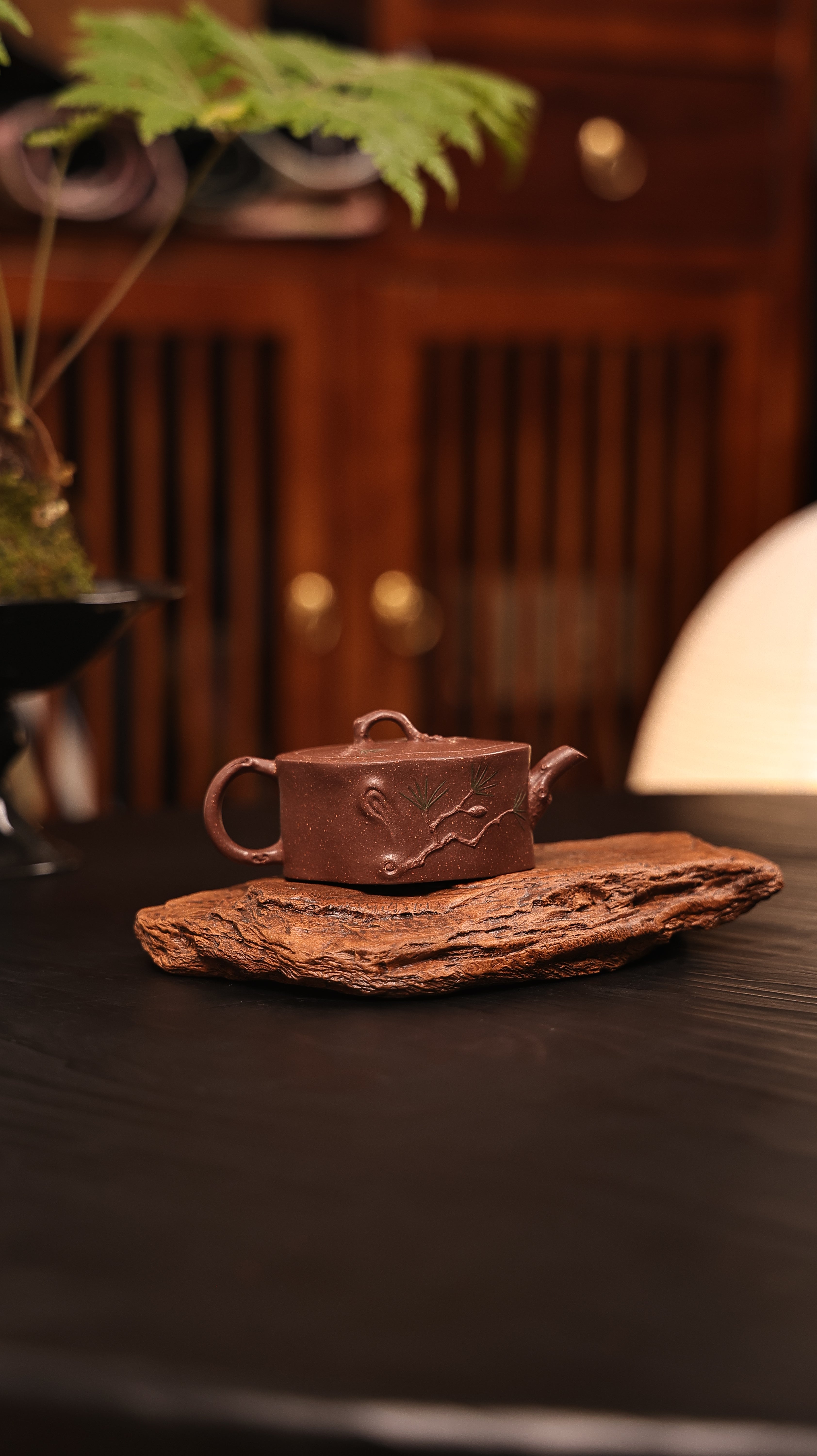
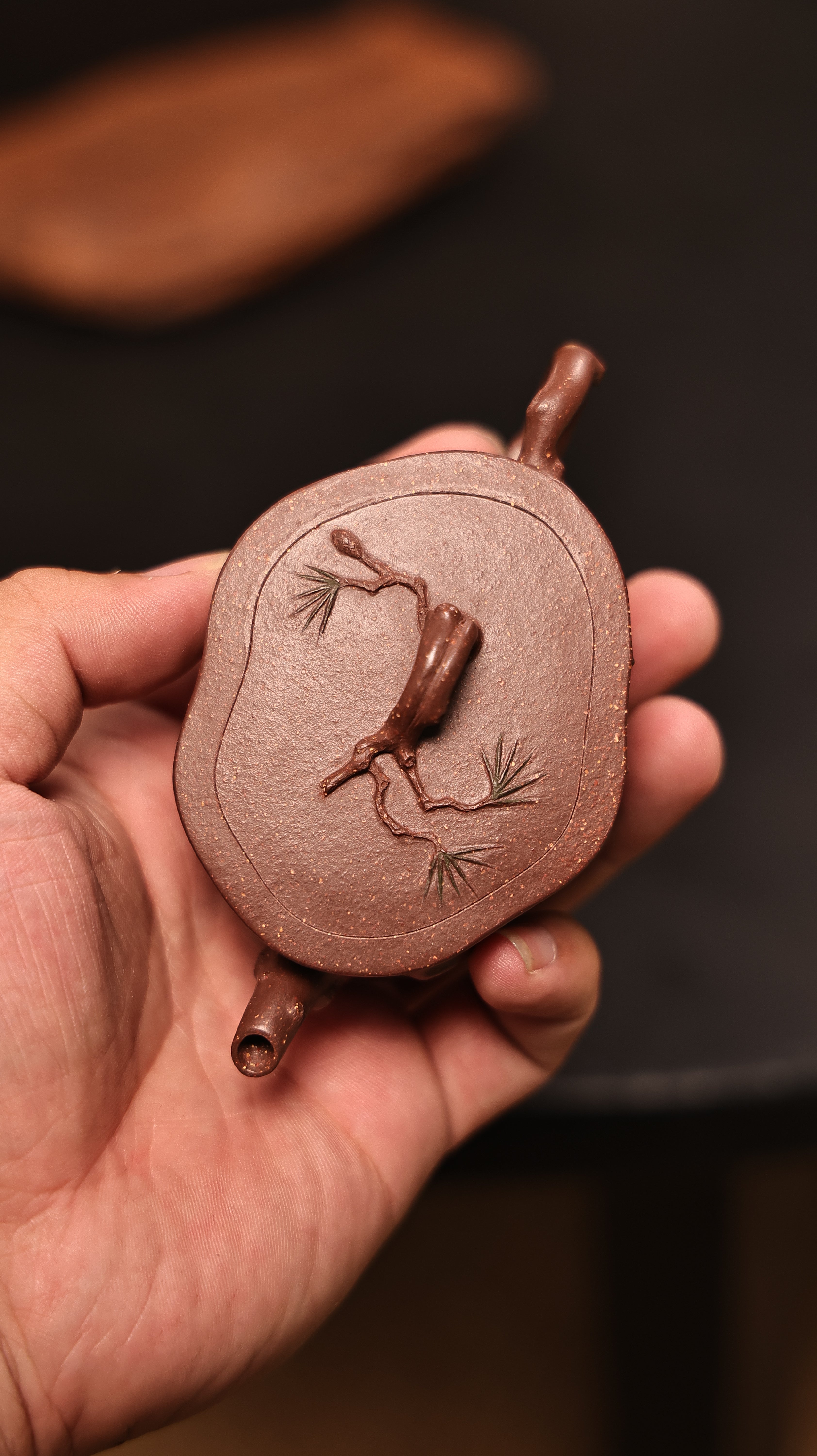
Amidst eras, gatherers have been captivated by the exceptional charm of Yixing Zisha urns. Originating from the zone of Yixing in the Jiangsu Province, these artifacts are renowned for their distinguished beauty, unusual clay, and fundamental ability to elevate the bouquet of the steeping. The substratum's distinctive mulberry hue, combined with the skillful production of environmental fabricators, creates artworks that are at once functional objects and treasured financial interests. Securing a Zisha teapot is more than just specific purchase; it's seizing a rich ethnic heritage.
Grasping Yixing Teapots: Chronicles, Classifications, and Significance
Yixing region's teapots embody a significant history deeply intertwined with Chinese culture. Starting in the Yixing region of Jiangsu province, these clay vessels exhibit a heritage connecting back to the Ming Dynasty. First examples were functional, but throughout centuries, Yixing teapot making evolved into an esteemed art form. The clay itself, known for its unique vitality and ability to raise the flavor of the tea, exists a defining factor. Yixing teapots appear in various styles, broadly categorized by Yixing Teapot shape: Typical such as Zhuni (purple clay) and Bisheng, as well as distinct designs. The price of a Yixing teapot is on several factors, including the potter’s acclaim, the age of the piece, the rarity of the clay, and its aesthetic charm.- Heritage: Centuries ago
- Medium: Different forms
- Valuation Parameters: Artisan fame
Zisha Pot Creation: Strategies and Potters
This development of a legitimate Zisha teapot is a intricate process, requiring multiple cycles of practice. Skilled artisans meticulously identify the top-grade Zisha clay, a singular earth found only in specific regions of China. Conventional techniques, often inherited through families, involve exact shaping, delicate carving, and calm firing in ancient fireplaces. The final teapot isn't merely a holder; it's a testament to artistic vision and the serious connection between the artist and their inheritance. Each item showcases the singular touch of the artisan, resulting in a truly incomparable work of craft.
Ancient Pottery: Delving into the Deep Practices of the Yixing Region
Historic Yixing, located in Jiangsu the district, is commonly renowned for its exceptional earthenware – a tangible representation of centuries of Chinese artisanry. These aren't merely vessels for preparing tea; they are intricate works of innovation, often reflecting conceptual ideals. Yixing's unique purple clay, known as Zisha, possesses notable qualities: it dense, open to air, and imparts a subtle quality to the tea.
- Many lineages have honed the techniques of Yixing urn making, passing down secret methods through families.
- Devotees prize these pieces for their charm and scarcity.
- Several urn tells a story, connecting the enjoyer to a rich background.
Entering Yixing Zisha: Important Factors
During analyzing get Yixing Zisha teapots, multiple considerations call for careful inspection. Preliminarily, the clay’s hue is important; authentic Zisha commonly exhibits a evident maroonish gradient. As well, evaluate the craftsmanship; well-defined features and a elegant texture imply expert craft. Eventually, analyze the producer's prestige; reputable names yield augmented figures and often supply a reliable reward.
Mastering Tea Brewing Using a Zisha Pot
Preparing exquisite tea with a Zisha teapot is more outstripping a simple habit; it's an skill. Zisha clay, noted for its unique natural composition, imparts a refined character to the prepared tea that’s often absent with other devices. The appropriate water intensity is necessary; typically, gentler than what's used for black tea, to maintain the tea's smell and nuance. Consider mindfully the tea sort; delicate green teas or aged pu-erhs thrive from the Zisha’s ability to soften their fundamental edge. It’s essential to preheat the teapot prior to brewing, and to neglect over-steeping. Mastering this craft leads to a sincerely exceptional tea enjoyment.
- Recognizing Zisha Clay
- Heat Intensity & Tea Selection
- Value of Warming Up
Caring for Your Famous Pot
In order to preserve the durability of your precious Yixing earthenware, steady maintenance is fundamentally necessary. Eschew using chemical cleaners; instead, delicately purify it with lukewarm hydrous medium. Shun sudden fluctuations; don't deposit the clay pot directly onto a burning burner. Periodically, strengthen the vessel by filtering it with excellent refined infusion, as this improves to improve its quality and preserves the special charm of the component.
Regarding Substance to Cup: The Course of a Classic Container
Such creation of a Zisha teapot is a astonishing operation, a testament to both the world's bounty and the finesse of the craftsperson. It originates with the exact extraction of the special clay from the burgundy Zisha mines near Yixing. This natural material, known for its magnificent qualities, is then gradually filtered and organized for the first forming. The container's profile is skillfully constructed using a amalgamation of longstanding shaping processes, often incorporating fancy enhancements. Following curing, the container undergoes a fundamental first firing, consecutively done by a glazing stage, which might involve various layers of earthy Zisha overlays. Finally, a second, and sometimes third, firing at powerful temperatures realizes the piece, revealing its complete beauty and remarkable characteristics - a legitimate masterpiece, poised to decorate a tea custom.
{Yixing Teapots: A Symbol of Chinese Tradition and Esteem
Renowned Yixing teapots, originating from the distinguished Yixing region of Jiangsu province, are far more than mere wares for brewing liquids; they represent a meaningful aspect of Chinese civilization. Fabricated from distinctive purple clay – zisha – these special teapots are highly appreciated for their ability to amplify the flavor of the tea and, crucially, for their splendor. The annals of Yixing teapot making spans centuries, and the know-how involved is relayed through generations, making each teapot a cultural artifact that embodies lasting techniques and a profound appreciation for the pure pleasures in life.