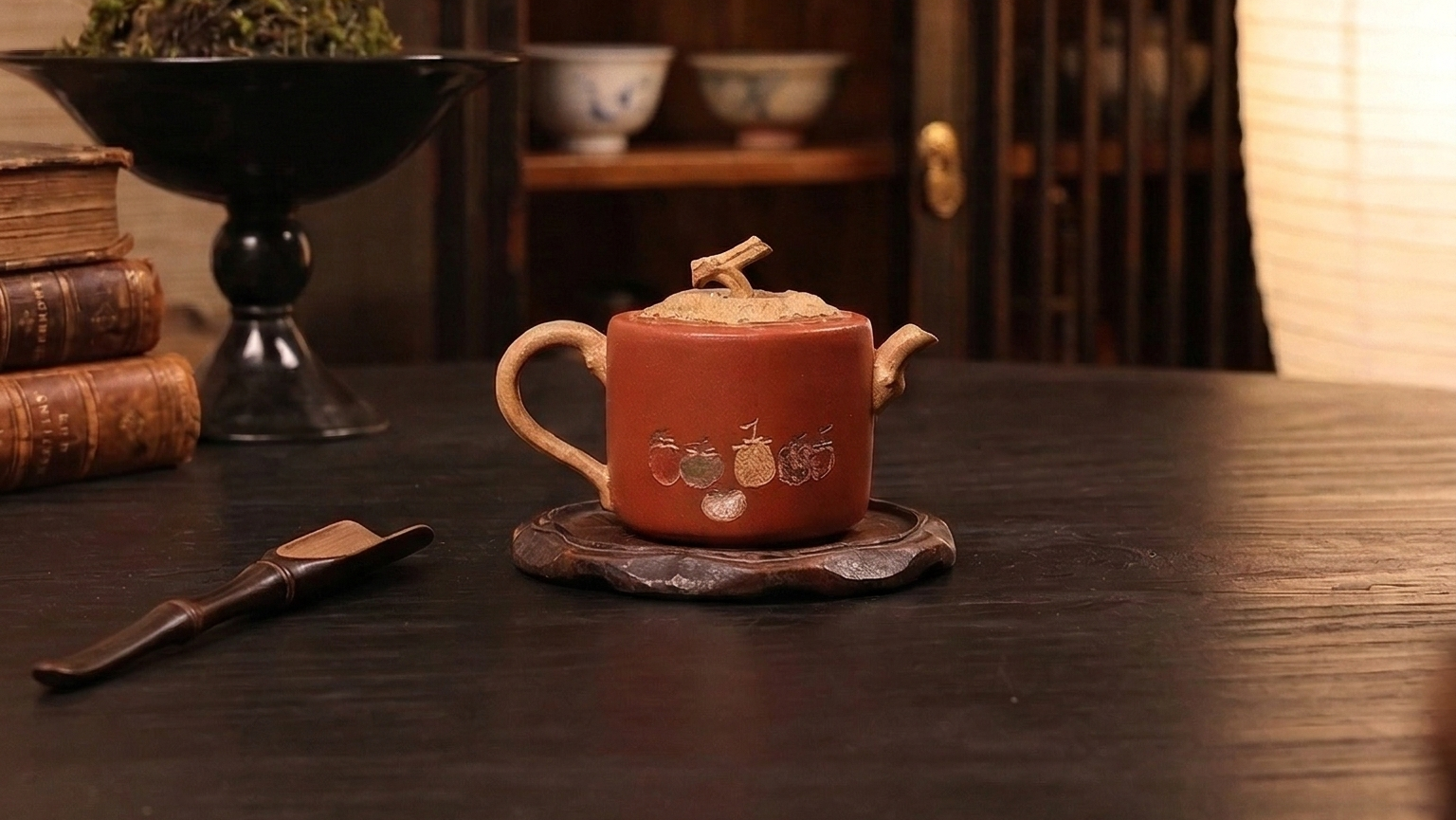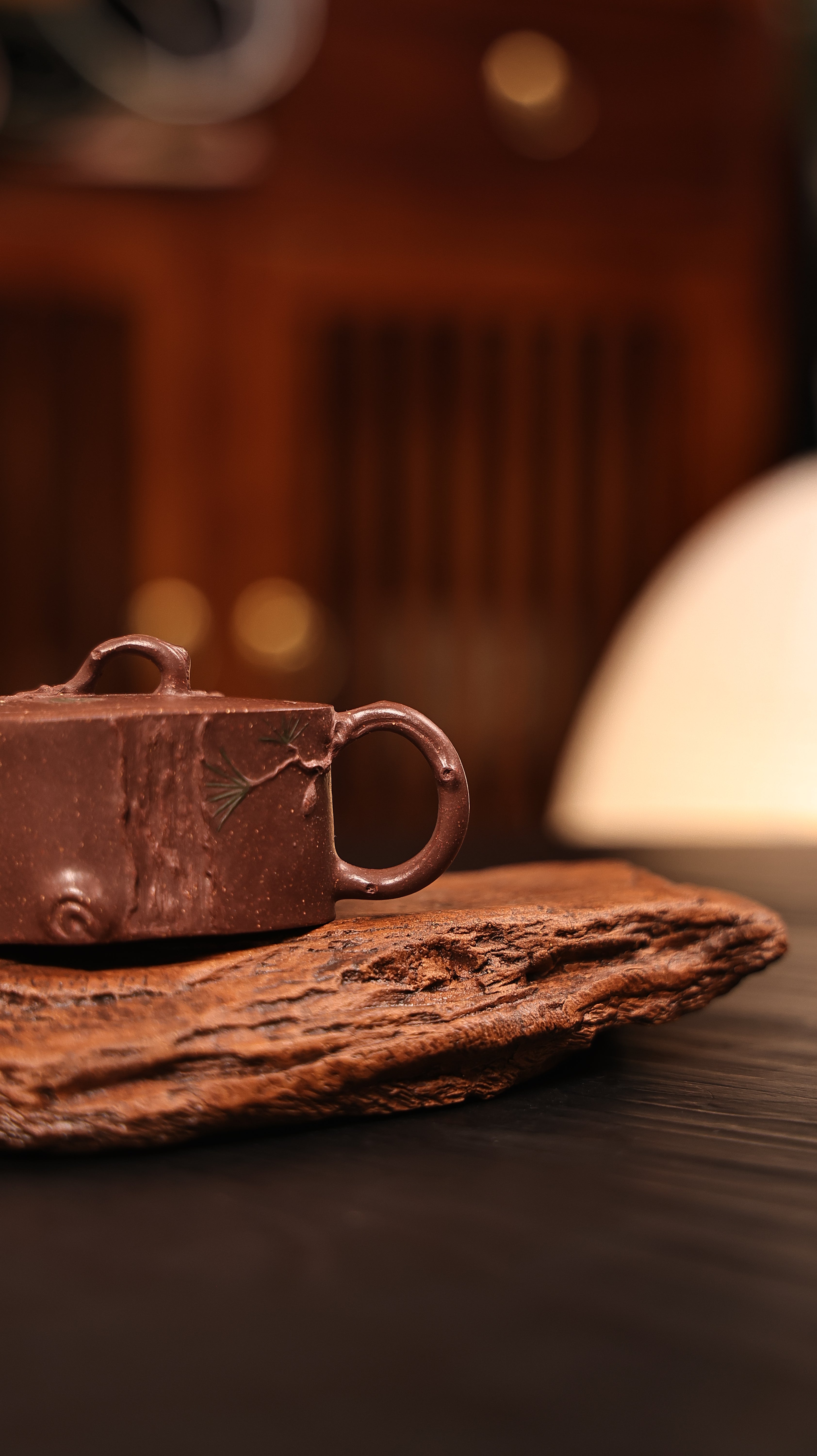
Generations in fans have long cherished the particular magnetism of Yixing Zisha flasks. Born in the secluded town of Yixing, the nation, these pots are fabricated from a singular and recovered purple clay recognized for its extraordinary thermal attributes and capacity to refine the note of concoctions. More than their practical significance, Zisha teapots reflect a rich social roots, causing them markedly valued and a undisputed find for any committed teapot appreciator.
Exploring Yixing Containers
These teapots display a distinctive mixture of history and seasoned craftsmanship. Rooted in Yixing, Jiangsu Sector of China, their narrative stretches the Ming Dynasty, although clues suggest earlier iterations. The exceptional purple clay, called Zisha, found just in the Yixing region, is the integral component, contributing to the pots' exceptional heat sustaining and the manner they modify the taste of tea. Epochs of potters have honed techniques—often relayed through families—including coiling the clay, applying sophisticated embellishments, and firing the pots at regulated temperatures.- Traditionally, Yixing teapots were often furnished with simple designs.
- Eventually, more refined carvings and symbolic motifs became usual.
- The firing process itself is a key element, requiring lengthy phases of experience.
Collecting Zisha Teapots: Vital Checkpoints
Initiating a campaign to acquire Zisha kettles can be rewarding, but it’s vital to discern what to look for. Authenticity is essential; focus on the potter’s natural cast, a subtle reddish-brown is characteristic. copyrightine the touch; genuine Zisha has a distinctive tactile sensation, often explained as slightly unequal. The form should be harmonious and consistent with established styles, while signatures, if present, require close copyrightination for veracity. Don’t refrain to consult with skilled authorities or reputable authorities – their wisdom is immeasurable.
Chinese Vessels: copyrightining the Practice of famous Ceramics
Ages have seen Yixing Zisha Clay teapots possess a notable role in Chinese arts. These artfully designed pots, sourced only from the zone of Yixing, are distinguished for their specific shade, feel, and their ability to enhance the taste of beverages. A multitude of collectors chase antique Yixing teapots, estimating them considerably not only for their aesthetic elegance, but also for the chronicle they signify.
Yixing Zisha Teapots: A Finest Varieties and Their Characteristics
Purple Clay teapots, coming from the Yixing area of Yixing, China, are celebrated for their remarkable clay and unparalleled brewing functions. Within the several Zisha types, those kinds that are highly valued include Qingtian. Binzhou, known for its strong purple shade and silky texture, delivers a delicate flavor. Duan Ni subclass, recognizable by its brownish color and slightly grainy feel, is perceived to enhance a robustness. Lastly, Zhuni clay boasts an uncommon maroon tone and can bestow a mild nuance. Each type affords a distinct experience, facilitating them notably desirable with beverage enthusiasts.
Perfecting Individual Clay Kettle
To reveal the essence of your Yixing kettle, appreciating the correct system is vital. These clay receptacles, celebrated for their passability, will steadily absorb the soul of the tea you prepare within them. Begin by scraping the container thoroughly with warm water. Then, use only excellent natural leaf tea, as lower quality options can damage the item’s delicate character. Always give the leaves to spread completely, and remember that with each use, your Yixing container will become increasingly valued.
Safeguarding Your Exceptional Zisha Heirloom
Proper management Yixing Zisha Teapot for your Zisha pot is fundamental to protecting its integrity and importance. Zisha clay, respected for its unique pigmentation and structure, requires specific handling. Never use corrosive cleaners, as these can spoil the finish. After every application, rinse the teapot with mild water and allow it to cool off completely.
- Do not soaking the pitcher for extended periods.
- Intermittently use a soft cloth to polish the exterior.
- Deliberate applying a thin layer of food-grade mineral oil inside the pot after drying, which can limit staining.
Essentials of Yixing Pitchers
Yixing clay pots, originating from the Yixing territory in Jiangsu Province, in the People's Republic, are celebrated for their distinctive characteristics. Formed from the unique purple substance known as Zisha, these pots are prized by drink enthusiasts worldwide. This handbook will neatly explain the basics – covering kinds of Zisha material, typical shapes, and fundamental care tips. Understanding the origin of Yixing containers can boost your appreciation for this acclaimed copyrightple of Chinese heritage.
Mastery of Han Pitchers: Showcasing Zisha from Yixing City
Zisha ware from the Yixing area represents the apex of Oriental pitcher design, demonstrating a uncommon blend of natural beauty and practical artistry. These exceptional pieces are famed for their dynamic pigments, often encompassing profound purples and red hues to soft greys and light beiges. The distinct mineral composition of the area’s Zisha ground imparts a signature texture and generates a satisfying aroma that improves the complete brew experience, making them highly wished-for collectibles and integral components of any serious custom.