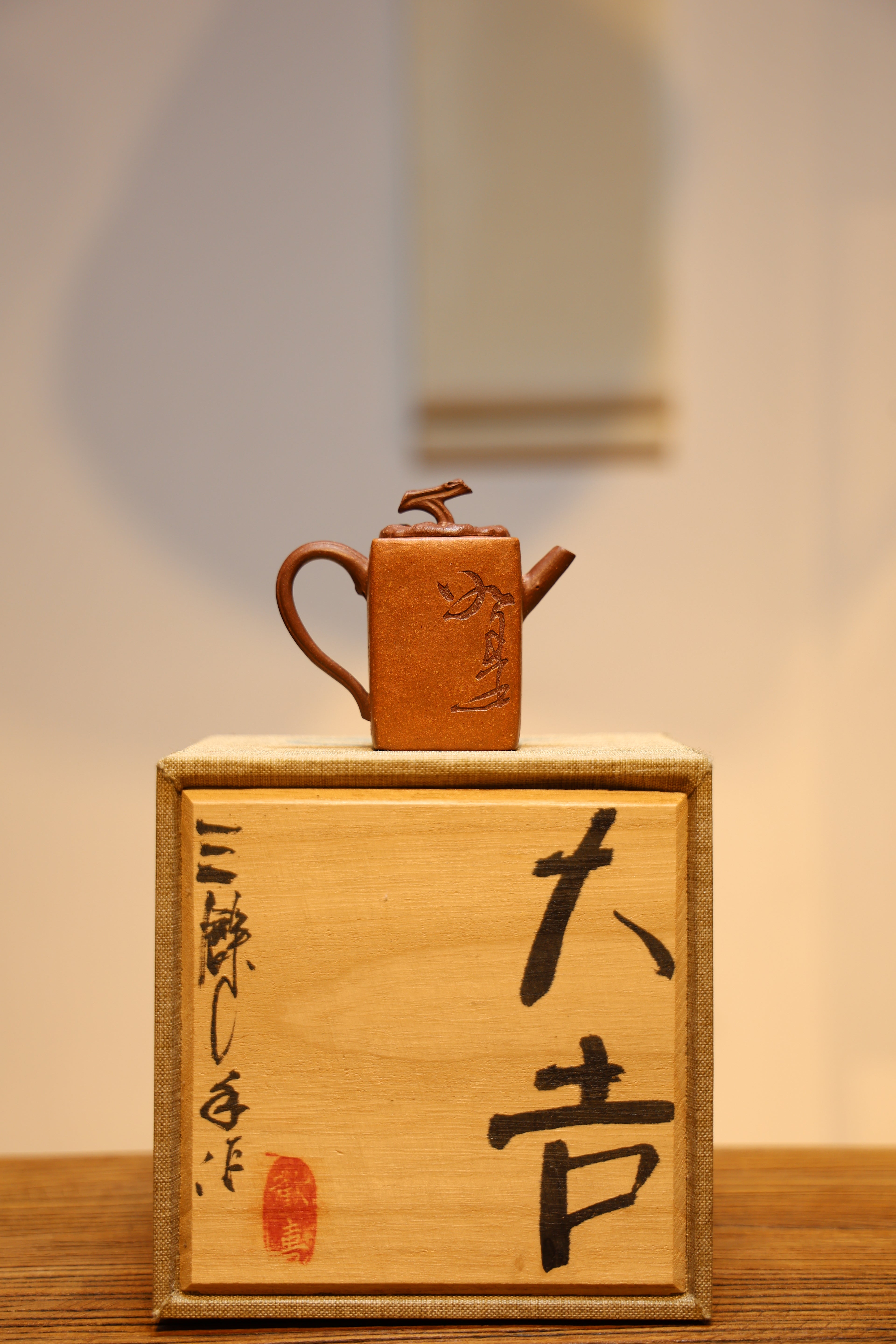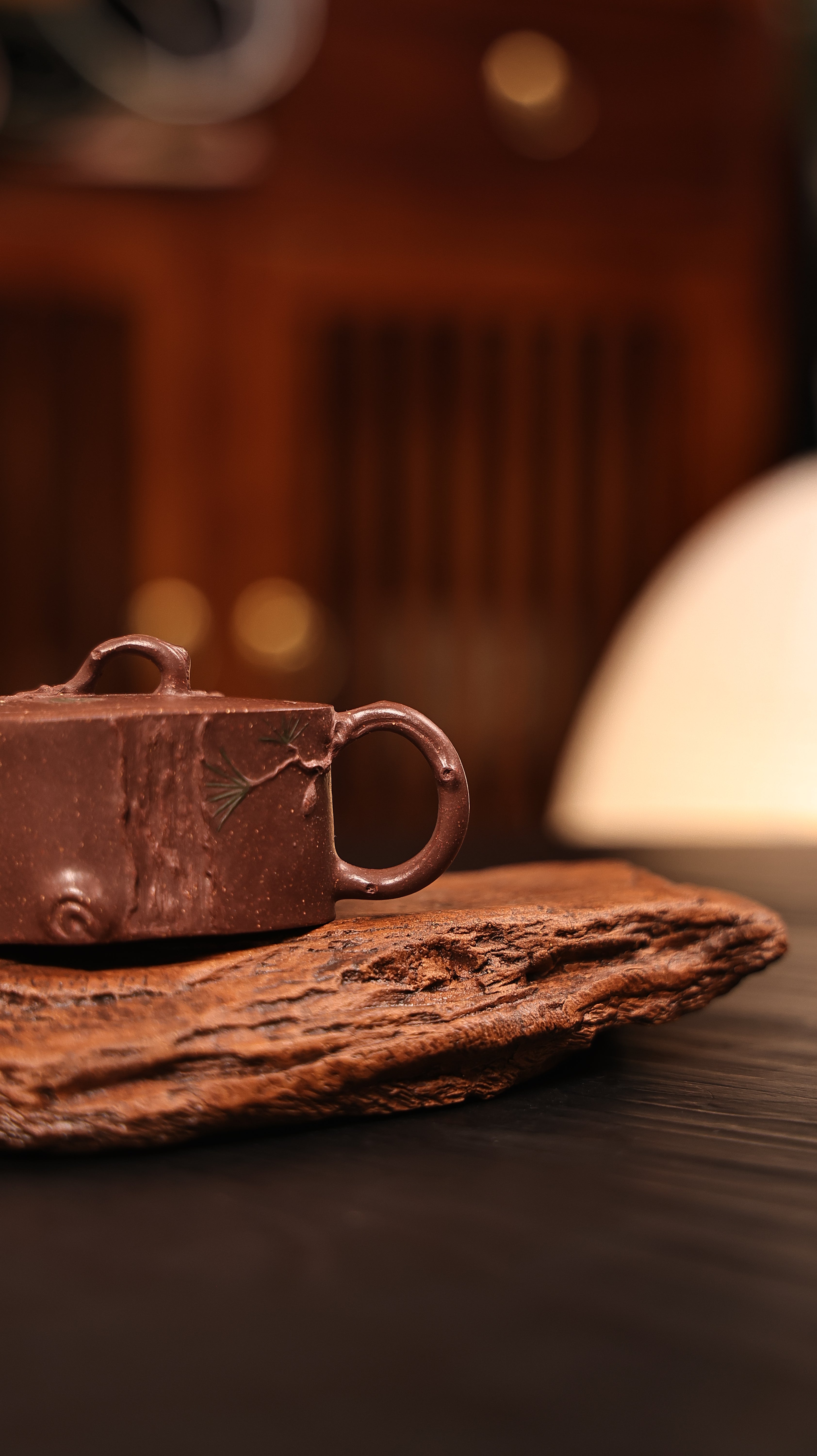
Amidst endless eras of heritage,
For epochs, collectors have been ensnared by the extraordinary charm of Yixing Zisha carafes. Originating from the region of Yixing in the eastern province, these containers are renowned for their prominent beauty, limited clay, and essential ability to elevate the bouquet of tea. The soil's distinctive purple-brown hue, combined with the talented construction of native sculptors, creates products that are concurrently functional masterpieces and coveted endowments. Securing a Zisha teapot is more than just specific purchase; it's seizing a rich ancestral heritage.
Investigating Yixing Teapots: Ancestry, Forms, and Price
The notable Yixing teapots serve as a deep heritage deeply intertwined with Chinese culture. Emerging in the Yixing region of Jiangsu province, these clay vessels hold a heritage reaching back to the Ming Dynasty. First examples were functional, but throughout centuries, Yixing teapot making evolved into an esteemed art form. The clay itself, known for its unique feature and ability to modify the flavor of the tea, persists a defining factor. Yixing teapots manifest in various designs, broadly categorized by shape: Traditional such as Zhuni Zisha Teapot (purple clay) and Bisheng, as well as more designs. The significance of a Yixing teapot turns on several factors, including the potter’s prestige, the age of the piece, the rarity of the clay, and its aesthetic merit.- History: Historic epoch
- Composition: Diverse kinds
- Valuation Parameters: Artisan fame
Mastering Zisha: Tactics and Builders
This development of a true Zisha teapot is a demanding process, requiring decades of competency. Experienced artisans meticulously select the prime Zisha clay, a specialized earth found only in specific regions of China. Traditional techniques, often bestowed through families, involve careful shaping, sensitive carving, and methodical firing in ancient furnaces. The end teapot isn't merely a pot; it's a testament to design vision and the meaningful connection between the potter and their inheritance. Each item showcases the singular touch of the potter, resulting in a truly singular work of pottery.
Eastern Vessels: Exploring the Extensive Traditions of the Yixing Locality
This Yixing, placed in Jiangsu the province of Jiangsu, is worldwide renowned for its exceptional teapots – a tangible representation of centuries of Chinese tradition. These aren't merely vessels for processing tea; they are intricate works of craftsmanship, often reflecting traditional ideals. Yixing's unique purple clay, known as Zisha, possesses notable qualities: it dense, open to air, and imparts a subtle nuance to the tea.
- Several households have honed the techniques of Yixing earthenware making, passing down time-honored methods through generations.
- Connoisseurs prize these pieces for their grace and scarcity.
- Several jar tells a history, connecting the drinker to a rich history.
Engaging in Yixing Zisha: What to Look For
During analyzing procuring Yixing Zisha vessels, countless parameters command careful attention. Initially, the element's pigment is essential; authentic Zisha typically exhibits a characteristic rust-colored nuance. Besides, consider the handiwork; well-defined features and a elegant texture demonstrate accomplished production. At last, study the producer's prestige; reputable names yield augmented figures and often bestow a valuable dividend.
Brewing Excellence with Zisha Teapots
Steeping savory tea with a Zisha urn is more above a simple procedure; it's an discipline. Zisha clay, known for its unique earthen composition, imparts a subtle character to the made tea that’s often wanting with other implements. The suitable water level is required; typically, gentler than what's used for black tea, to maintain the tea's fragrance and nuance. Consider mindfully the tea class; delicate green teas or aged pu-erhs gain from the Zisha’s ability to mellow their basic edge. It’s pivotal to heat the teapot in advance of brewing, and to prevent over-steeping. Mastering this technique leads to a rightfully exceptional tea event.
- Grasping Zisha Clay
- Liquid Heat & Tea Classification
- Benefit of Warming
Looking After Your Distinctive Teapot
In an effort to maintain the existence of your treasured Yixing container, careful protection is essentially necessary. Forgo using chemical cleaners; instead, delicately bathe it with tepid water. Escape significant transitions; please don't situate the container directly onto a hot foundation. Periodically, condition the urn by infusing it with first-rate aged steep, as this aids to strengthen its personality and guards the inimitable essentials of the earth.
With respect to Material to Receptacle: The Process of a Traditional Pot
Such creation of a Zisha teapot is a remarkable operation, a representation to both the world's bounty and the finesse of the maker. It launches with the careful extraction of the singular clay from the plum Zisha mines around Yixing. This virgin material, known for its exquisite features, is then carefully clarified and ready for the preliminary forming. The bottle’s design is artfully formed using a mix of historical forming methods, often incorporating detailed motifs. Following aging, the vessel undergoes a essential first firing, accompanied by a dressing stage, which might involve diverse layers of organic Zisha solutions. Finally, a second, and sometimes third, firing at strong temperatures solidifies the composition, revealing its final beauty and splendid characteristics - a real masterpiece, equipped to embellish a tea session.
{Yixing Teapots: A Symbol of Chinese Heritage and Respect
Esteemed Yixing teapots, originating from the prestigious Yixing region of Jiangsu province, are far more than mere ceramics for brewing infusions; they represent a weighty aspect of Chinese culture. Made from distinctive purple clay – zisha – these exceptional teapots are highly valued for their ability to complement the flavor of the tea and, crucially, for their artistic merit. The tradition of Yixing teapot making spans centuries, and the talent involved is bequeathed through generations, making each teapot a masterpiece that embodies long-established techniques and a profound appreciation for the modest pleasures in life.