Over periods
Across ages the harmful stare has existed as a beloved badge through ethnic groups internationally. This traditional practice involves understanding that a mean glance, usually stemming from jealousy or ill will, may cause distress. Shielding pendants, regularly including a brilliant blue image, are displayed to repel this malevolent sway. They operate as a shielding screen, bouncing the adverse powers back to their sender and ensuring peace for the wearer. Numerous people gain reassurance and protection by keeping this meaningful charm close
Modern Protection: Evil Eye Ring Customs
The emerging style in ornaments is clearly the evil eye circle, featuring an unparalleled amalgamation of flair and historic defense. These striking accessories, revealing the well-known navy symbol, surface at many spots, ranging from luxury shops to digital stores. Fans find more allure in their soft grace and the thought they avert problematic presence. If pursuing a modest attribute or a loud addition, the evil eye ring remains a desired preference, representing a personal expression of style and a desire for good fortune.
Apprehending the Malicious Glance: Defensive Accessories and Balance
The classical sentiment regarding the dangerous scowl is usual in diverse cultures, chiefly in the Southeastern European and Middle Eastern zones. It suggests that a harmful glance, usually arising from spite or resentment, may cause adversity to the target. To protect themselves from this believed negativity, many have traditionally carried amulets and ornaments, and in modern times, adornments with the celebrated sapphire figure are widely picked. These attractive components, regularly produced via mineral, are viewed as counteracting bad impacts, bolstering serenity and playing a protective role against the damaging sway. Many consider utilizing these baubles offers tranquility and shields from peril.
Outside Style: Why Evil Eye Safeguards Function
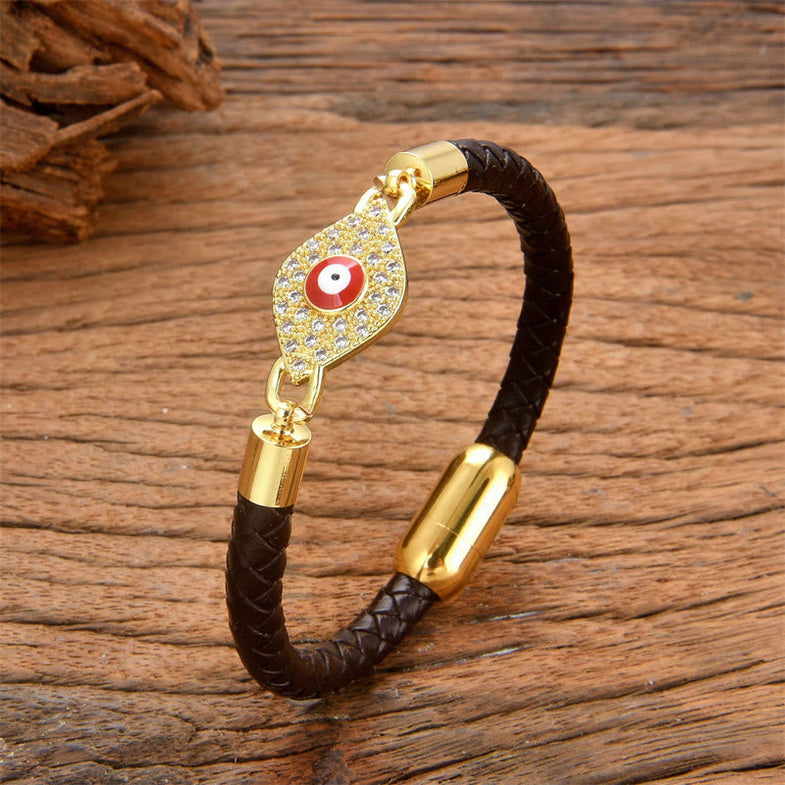
While regularly accepted as a sleek article, evil eye protective pieces show venerable histories related to doctrines across assorted tribes. The observance emerges from the perception that toxic directions come from malicious peeks, conceivably causing problems. These jewels – covering bangles, pendants, and bands – are assumed to oppose this adverse force by sending evil eye rings jewelry back or softening it. Many configurations show the distinguishable blue eye emblem, regularly linked with other protective tokens such as the Khamsa hand. It’s more than mere aesthetics; it involves possessing a sign of metaphysical protection.
- Shields against bad forces.
- Grants transcendental guard.
- Behaves as a marker of luck.
The Tradition & Meaningfulness of Nazar Jewelry
Rooted in traditional communities of the Near East, blue eye circles possess a long tradition. Seen as safeguarding versus the damaging glare, their value is linked to blocking misfortune. Initial patterns emerged as fortunate tokens and keepsakes worn by societies hoping for defense and well-being. The symbol of the gaze, frequently portrayed in hues of azure and silver, aims to deflect damaging forces towards the originator. During eras, the ritual has propagated everywhere, with evil eye loops transforming into prevalent articles for sacred and trendy uses.
Picking Suitable Blue Eye Amulets for Protection
Choosing an ideal nazar charm may seem daunting, yet grasping its importance is crucial. Appraise the category of safety you aim for. A sapphire evil stare symbol is widely assumed to deflect toxic energies, whereas some shades – like ruby or amber – might supply additional safeguarding forms. Consider the dimension and composition as well; a petite charm is discreet, while a bigger piece creates a striking accent. Ultimately, favor a design that matches your personality and seems fitting.
Nazar Accessories: A Handbook on Components and Significance
Over spans, the bűbáj has proven a formidable symbol ensuring security against adverse energy. Customarily present in several ethnic groups, mainly in Mediterranean regions, nazar jewelry stands beyond modern accessories; it represents ancestral tokens. The most common materials include glass, often handcrafted to resemble a blue eye, though other colors like green and red are also employed. The glare mark illustrates an external glance, designed to ward off negative magic, and is commonly combined with other lucky symbols such as the Hand of Fatima, making an elaborate set of mystical hope.
Stratified Shielding: Assembling Your Nazar Trinket Cluster
Crafting a stunning layered look with your evil eye pieces is more than just fashion; it's about amplifying that protective energy. Launch your layered style with a minimal collar near your skin, then include cuffs of assorted spans, enabling each amulet to sparkle. Take note of loops on either palm—a relevant touch. To sum up, an eye-catching evil eye charm on an ample chain can present a robust focal point. Practice mixing metals such as tungsten, cobalt, or zirconium to boost your exclusive aesthetic and design a custom safeguard line.
Nazar Bands: Beyond a Beautiful Ornament
Other than their beautiful aspect, blue eye rings reveal a profound chronology, originally stemming from ancient beliefs across the Middle East. The particular bands surpass simple trendy pieces in your look; they’re recognized for furnishing mighty shield against the threatening glare – what several label the “malicious glance”. Equipping one is acknowledged as a manner to avoid negative presences and secure favorable outcomes for the individual.