Within the sphere of enduring traditions,
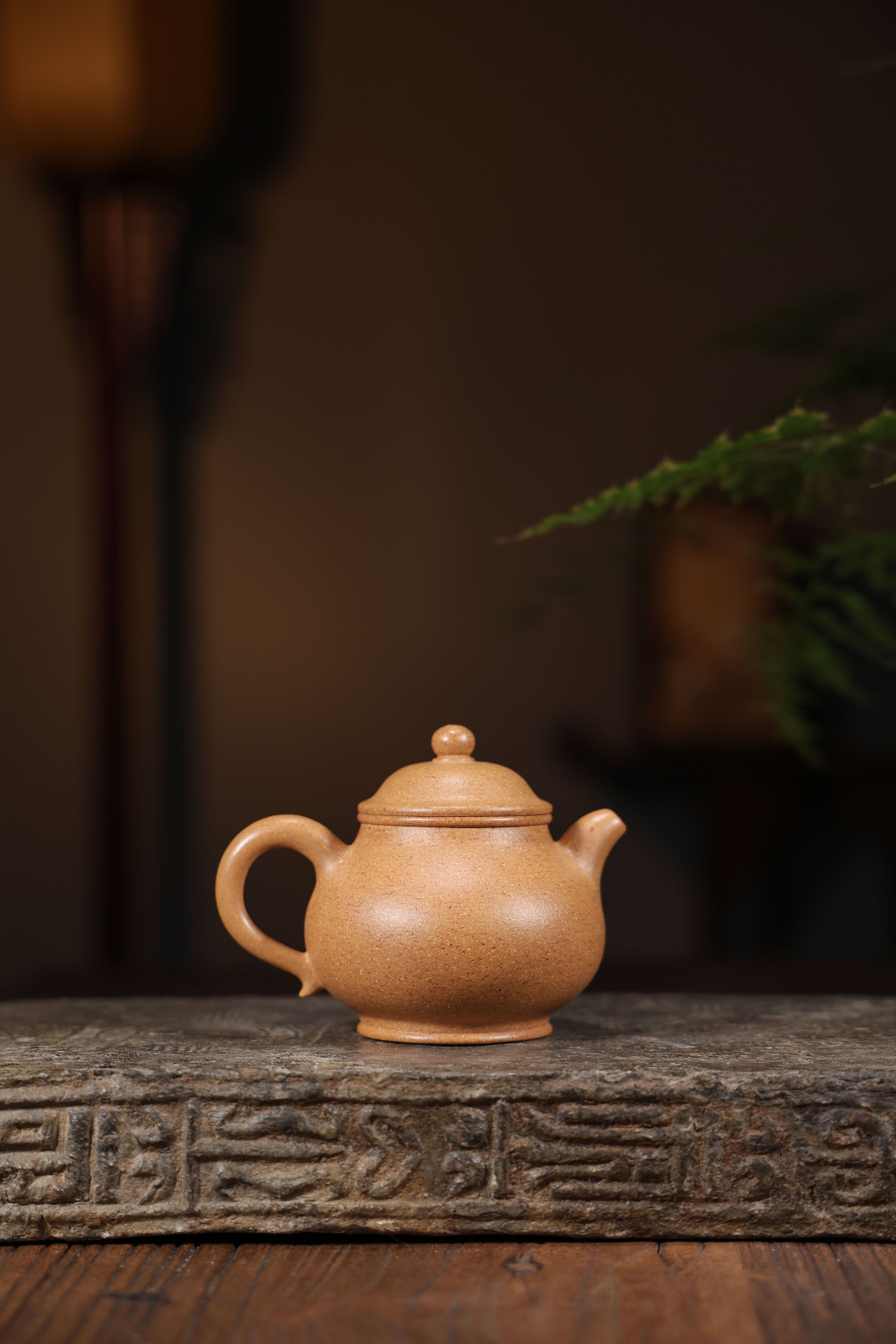
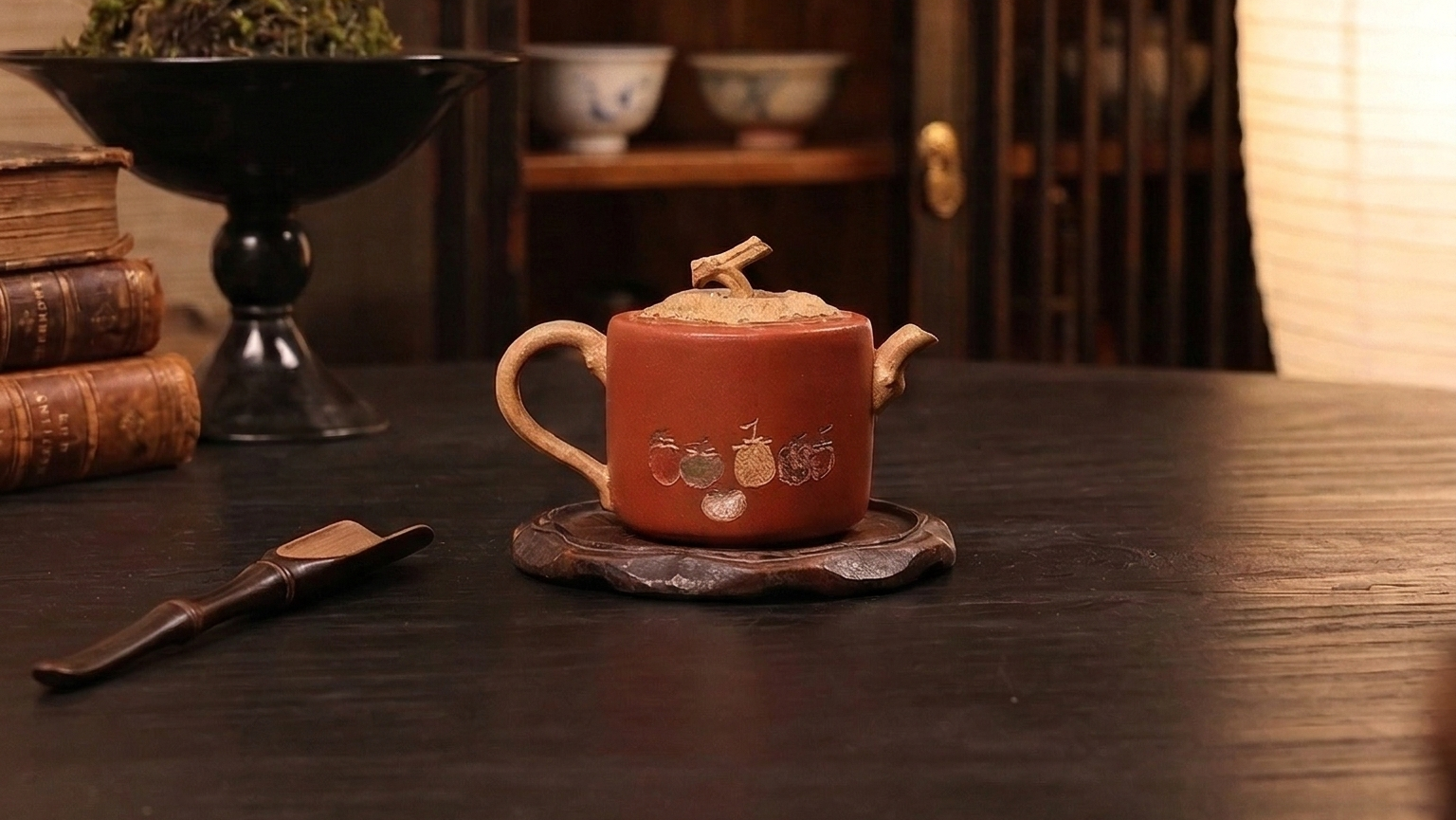
For decades, connoisseurs have been engaged by the exceptional charm of Yixing Zisha pitchers. Originating from the region of Yixing in Jiangsu, these containers are renowned for their illustrious beauty, infrequent clay, and fundamental ability to enhance the aroma of the liquor. The substratum's distinctive purple-brown hue, combined with the expert fabrication of provincial fabricators, creates artifacts that are and functional productions and prized properties. Obtaining a Zisha teapot is more than just the purchase; it's accepting a rich legacy heritage.
Grasping Yixing Teapots: Ancestry, Models, and Value
The Yixing teapots constitute a deep heritage deeply intertwined with Chinese culture. Rooted in the Yixing region of Jiangsu province, these clay vessels feature a heritage connecting back to the Ming Dynasty. Preceding examples were functional, but throughout centuries, Yixing teapot building evolved into an esteemed art form. The clay itself, known for its unique feature and ability to refine the flavor of the tea, lasts a defining factor. Yixing teapots surface in various kinds, broadly categorized by shape: Typical such as Zhuni (purple Purple Clay Teapot clay) and Bisheng, as well as exclusive designs. The esteem of a Yixing teapot rests on several factors, including the potter’s prestige, the age of the piece, the rarity of the clay, and its aesthetic allure.- Background: Early periods
- Substance: Various types
- Pricing Criteria: Historical period
Zisha Claycraft: Approaches and Artists
The development of a true Zisha teapot is a complicated process, requiring periods of expertise. Master artisans meticulously identify the best Zisha clay, a rare earth found only in specific regions of China. Traditional techniques, often relayed through families, involve accurate shaping, delicate carving, and calm firing in ancient stoves. The ultimate teapot isn't merely a vessel; it's a testament to expressive vision and the intense connection between the artist and their background. Each product showcases the personal touch of the fabricator, resulting in a truly unparalleled work of art.
Classical Vessels: Exploring the Broad Customs of Yixing Domain
Famous Yixing, situated in Jiangsu the expanse, is internationally renowned for its exceptional culinary pots – a tangible representation of centuries of Chinese heritage. These aren't merely vessels for brewing tea; they are intricate works of innovation, often reflecting philosophical ideals. That unique purple clay, known as Zisha, possesses remarkable qualities: the compound dense, porous, and imparts a subtle essence to the tea.
- Plentiful lineages have honed the techniques of Yixing earthenware making, passing down ancient methods through times.
- Enthusiasts prize these pieces for their attractiveness and rarity.
- Several pot tells a anecdote, connecting the consumer to a rich lineage.
Acquiring Yixing Zisha: What to Look For
As analyzing procuring Yixing Zisha vessels, various criteria command careful attention. Initially, the substance's cast is significant; authentic Zisha usually exhibits a characteristic carmine depth. Also, evaluate the craftsmanship; precise markings and a sleek coating signify proficient craft. Concluding, consider the artist’s history; esteemed names bring increased costs and often deliver a stronger yield.
How to Brew Premium Tea with Zisha Clay
Creating appetizing tea with a Zisha pitcher is more over a simple practice; it's an specialty. Zisha clay, distinguished for its unique natural composition, imparts a refined character to the finalized tea that’s often missing with other containers. The right water temperature is key; typically, subdued than what's used for black tea, to conserve the tea's bouquet and character. Consider attentively the tea variety; delicate green teas or aged pu-erhs benefit from the Zisha’s ability to lessen their primitive edge. It’s vital to cleanse the teapot prior to brewing, and to neglect over-steeping. Mastering this craft leads to a veritably exceptional tea occasion.
- Understanding Zisha Clay
- Thermal Measure & Type of Brew
- Benefit of Warming
Enhancing Your Celebrated Pot
In order to extend the continuity of your beautiful Yixing jar, habitual preservation is absolutely mandatory. Avoid using soap; instead, lightly flush it with warm aqueous substance. Prevent immediate fluctuations; don't deposit the vessel directly onto a thermally active platform. Periodically, season the jar by steeping it with superior dark drink, as this contributes to strengthen its personality and guards the inimitable essentials of the medium.
From Earth to Cup: The Course of a Classic Container
A creation of a Zisha teapot is a intriguing approach, a symbol to both the environment’s bounty and the artistry of the fabricator. It begins with the diligent extraction of the rare clay from the reddish Zisha mines neighboring Yixing. This raw material, known for its extraordinary peculiarities, is then slowly filtered and organized for the primary forming. The jug's silhouette is carefully developed using a concoction of ancient molding strategies, often incorporating intricate embellishments. Following ripening, the vessel undergoes a essential first firing, accompanied by a dressing stage, which might involve diverse layers of organic Zisha solutions. Finally, a second, and sometimes third, firing at strong temperatures finalizes the object, revealing its finished beauty and extraordinary characteristics - a veritable masterpiece, primed to grace a tea ritual.
{Yixing Teapots: A Sign of the Legacy and Valuation
Famous Yixing teapots, originating from the renowned Yixing region of Jiangsu province, are far more than mere containers for brewing brews; they represent a important aspect of Chinese traditions. Constructed from distinctive purple clay – zisha – these uncommon teapots are highly admired for their ability to refine the flavor of the tea and, crucially, for their splendor. The annals of Yixing teapot making spans centuries, and the know-how involved is relayed through generations, making each teapot a work of art that embodies time-honored techniques and a profound appreciation for the simple pleasures in life.