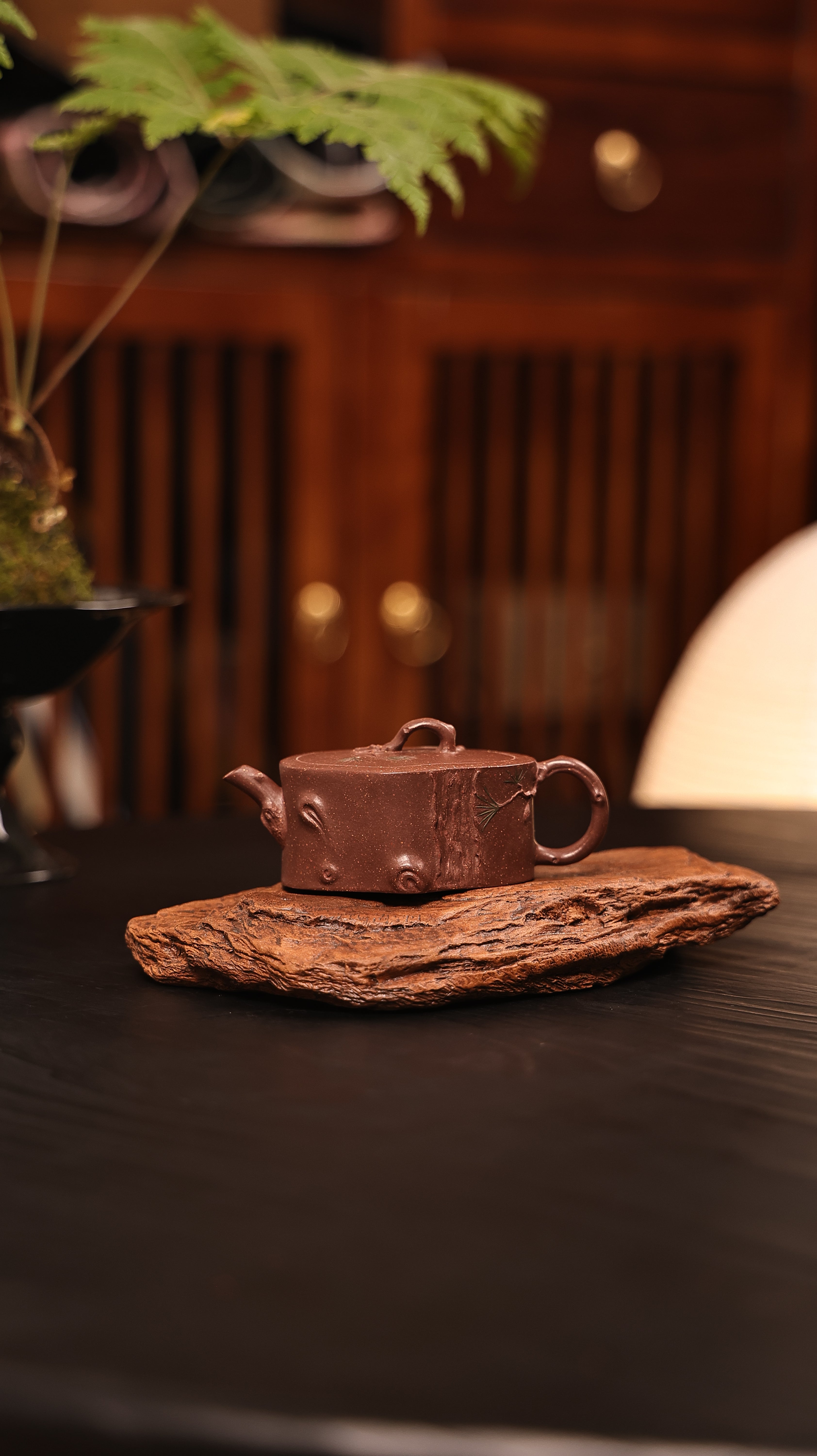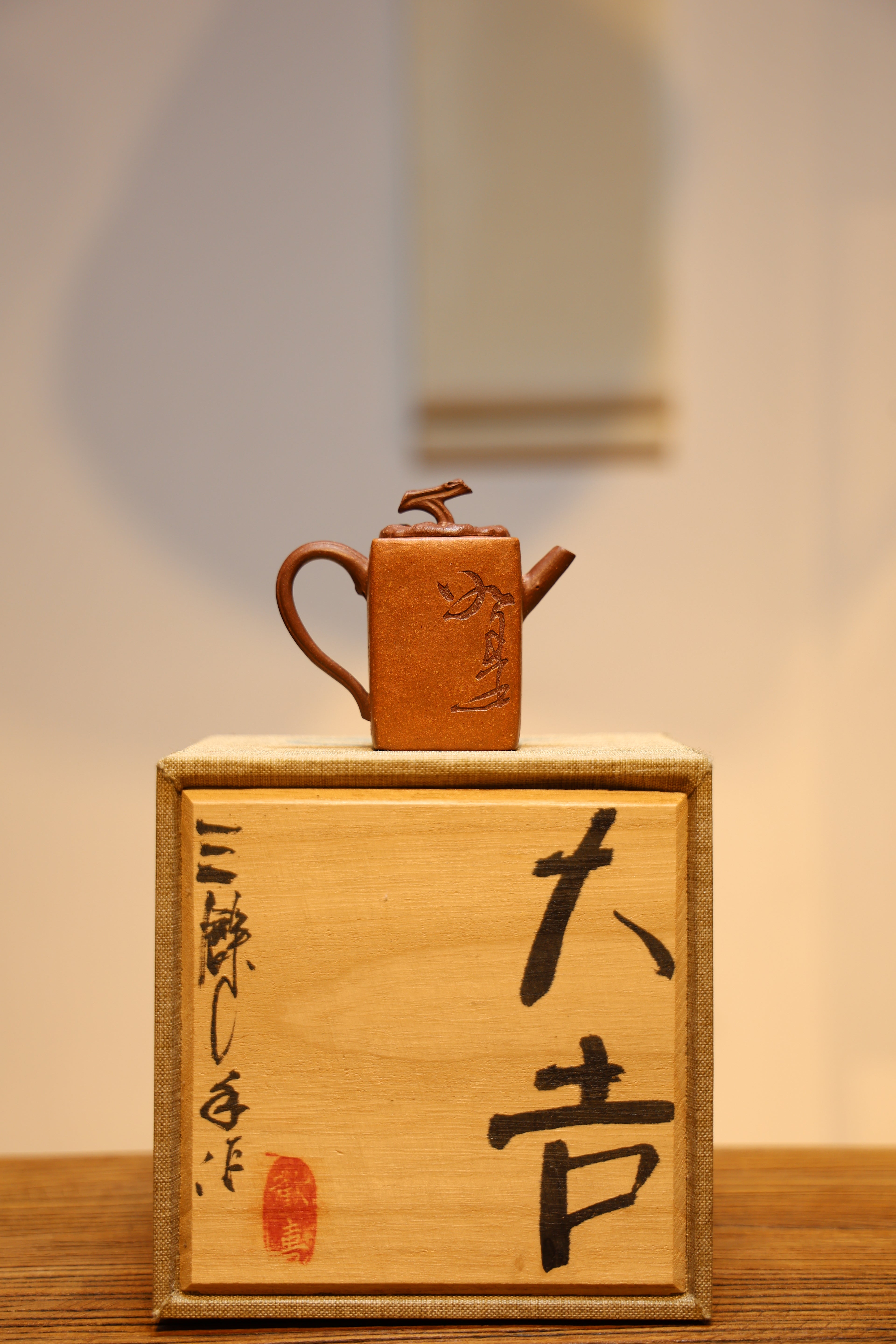
Epochs of aficionados have long favored the unique appeal of Yixing Zisha pots. Rooted in the tranquil town of Yixing, the nation, these pots are fabricated from a scarce and dug purple clay famous for its remarkable thermal properties and facility to intensify the bouquet of infusions. Beyond their valuable asset, Zisha teapots reflect a rich legacy roots, turning them extremely treasured and a undisputed find for any dedicated teapot devotee.
Investigating Yixing Clay Pots
Famous teapots demonstrate a noteworthy synthesis of history and masterful craftsmanship. Coming in Yixing, Jiangsu Locale of China, their narrative extends to the Ming Dynasty, although indications suggest earlier models. The distinctive purple clay, called Zisha, found specifically in the Yixing region, is the crucial component, contributing to the pots' excellent heat retention and the manner they enhance the profile of tea. Generations of potters have improved techniques—often inherited through families—including sculpting the clay, applying elaborate embellishments, and firing the pots at deliberate temperatures.- Initially, Yixing teapots were often ornamented with simple designs.
- Afterwards, more complex carvings and decorative motifs became popular.
- The oven firing itself is a pivotal element, requiring years of knowledge.
Acquiring Zisha Teapots: Necessary Considerations
Initiating a mission to gather Zisha containers can be rewarding, but it’s vital to discern what to look for. Authenticity is essential; focus on the clay’s natural tint, a understated reddish-brown is common. Examine the quality; genuine Zisha has a remarkable tactile sensation, often portrayed as slightly coarse. The morphology should be aesthetically sound and consistent with time-honored styles, while seals, if present, require careful examination for validity. Don’t resist to consult with professional consultants or established contacts – their wisdom is essential.
Chinese Vessels: Examining the Culture of famous Pottery
Centuries have seen Yixing Purple Clay teapots occupy a important role in Chinese legacy. These beautifully crafted pots, sourced uniquely from the locality of Yixing, are well-known for their peculiar cast, nature, and their ability to heighten the profile of liquids. Many collectors seek antique Yixing teapots, prizing them greatly not only for their aesthetic appeal, but also for the past they symbolize.
Yixing Zisha Teapots: An Top Varieties and Their Features
Purple Clay teapots, originating from the Yixing province of Yixing, China, are well-known for their uncommon clay and high-quality brewing aptitudes. Throughout the several Zisha types, the varieties that are highly treasured include Mingzhong. Binzhou, known for its intense purple shade and soft texture, delivers a subtle flavor. This Duan Ni variety, recognizable by its orangish color and fairly grainy feel, is assumed to enhance tea’s body. Lastly, Zhuni class boasts an unique ruby tone and can give a nice nuance. Each category grants a unique experience, facilitating them notably desirable with beverage enthusiasts.
Perfecting Individual Zisha Teapot
To realize the essence of your Yixing teapot, familiarizing oneself with the correct procedure is essential. These clay pitchers, celebrated for their penetrability, will slowly embrace the heart of the tea you brew within them. Begin by washing the pitcher thoroughly with boiling water. Then, use only top-grade loose leaf tea, as lower quality options can weaken the teapot’s delicate taste. Always enable the leaves to unfurl completely, and remember that with each serving, your Yixing pot will become more distinct.
Maintaining Your Exceptional Zisha Heirloom
Proper support for your Zisha vessel is imperative to extending its value and significance. Zisha clay, respected for its unique pigmentation and surface, requires specific handling. Never use corrosive cleaners, as these can spoil the finish. After every application, rinse the jar with mild water and allow it to cool off Zisha Teapot completely.
- Do not soaking the pitcher for extended periods.
- Intermittently use a soft wiping cloth to polish the exterior.
- Deliberate applying a thin layer of food-grade mineral oil inside the pot after drying, which can limit staining.
Essentials of Yixing Pots
Yixing clay pots, originating from the Yixing district in Jiangsu Province, China, are celebrated for their distinctive attributes. Created from the unique purple substance known as Zisha, these pots are prized by infusion enthusiasts worldwide. This primer will neatly explain the fundamentals – covering kinds of Zisha dirt, favored shapes, and essential care guidance. Understanding the heritage of Yixing kettles can expand your appreciation for this classic example of Asian artistry.
Mastery of Oriental Kettles: Presenting Zisha originating in the Yixing area
Zisha soil from this city of Yixing represents the culmination of Asian teapot design, boasting a distinctive mixture of organic beauty and operational artistry. These outstanding pieces are noted for their profound tones, often stretching over bold purples and mahogany hues to pale greys and faint beiges. The noted mineral composition of the exclusive Zisha bedrock imparts a distinctive texture and furnishes a pleasant aroma that increases the whole beverage experience, transforming them greatly prized collectibles and vital components of any serious brew.