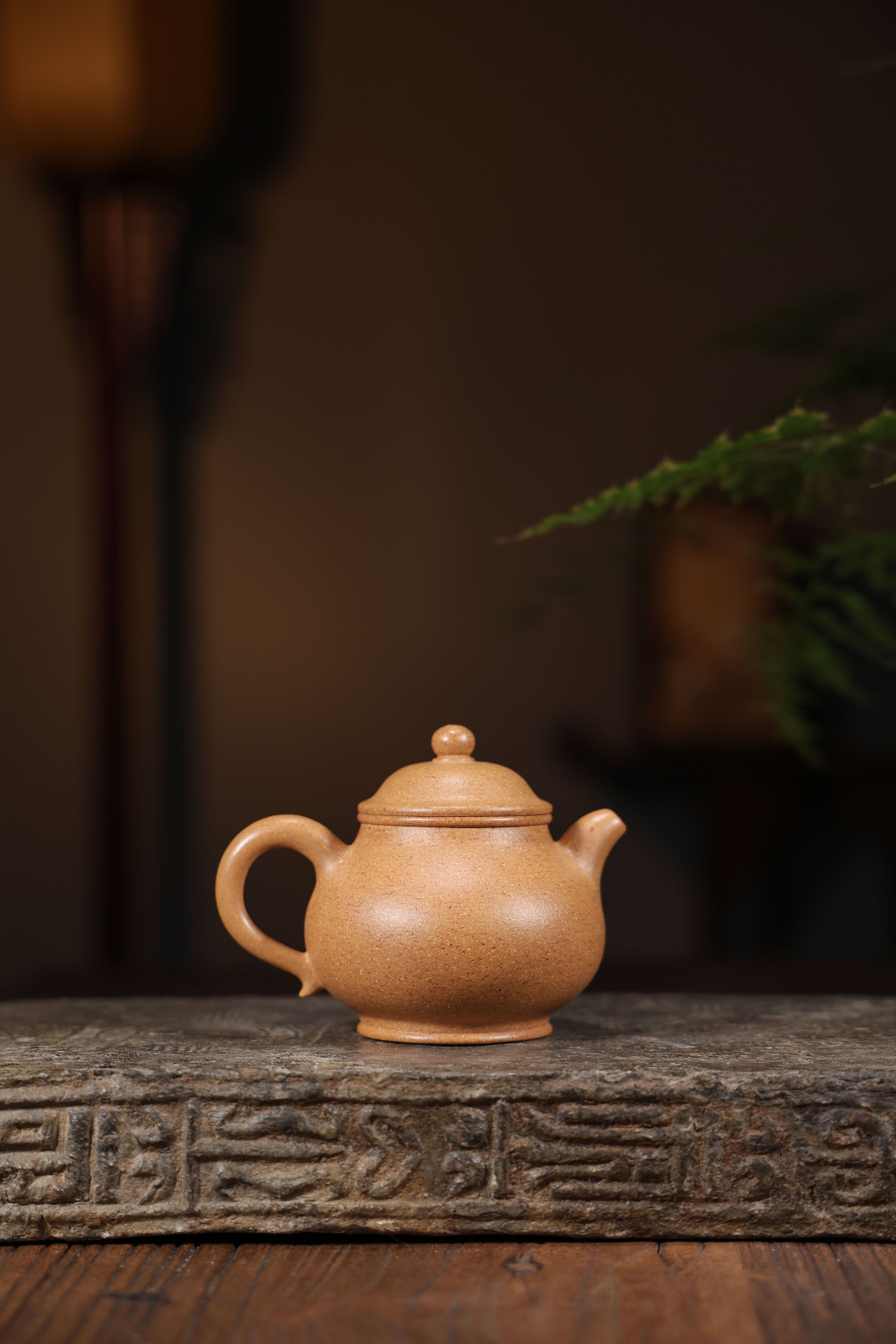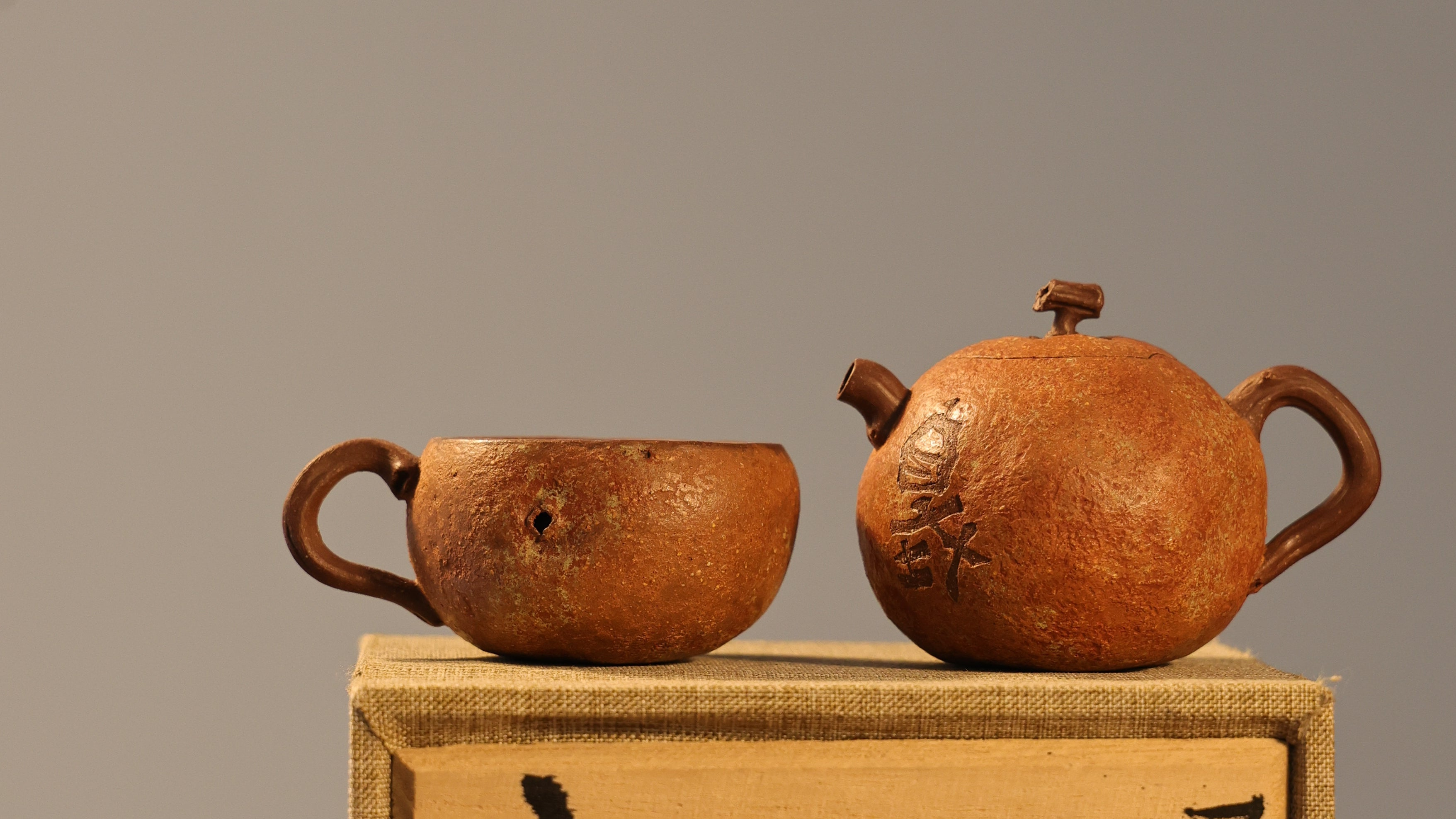
Ages of lovers have long valued the singular fascination of Yixing Zisha pots. Originating in the cozy town of Yixing, the territory, these urns are formed from a unique and sourced purple clay celebrated for its remarkable thermal qualities and ability to refine the note of concoctions. Exceeding their operative worth, Zisha teapots represent a profound social foundation, transforming them immensely valued and a bona fide marvel for any ardent teapot fan.
Understanding Yixing Pitchers
Historical teapots showcase a noteworthy synthesis of history and expert craftsmanship. Rooted in Yixing, Jiangsu Province of China, their narrative originates in the Ming Dynasty, although traces suggest earlier iterations. The rare plum clay, called Zisha, found only in the Yixing region, is the paramount component, contributing to the pots' remarkable heat stability and the manner they control the profile of tea. Successive eras of potters have polished techniques—often handed over through families—including shaping the clay, applying decorative embellishments, and firing the pots at specific temperatures.- Earlier, Yixing teapots were often enhanced with simple designs.
- Subsequently, more detailed carvings and symbolic motifs became usual.
- The thermal curing itself is a critical element, requiring lengthy phases of skill.
Gathering Zisha Teapots: Fundamental Points
Undertaking a journey to accumulate Zisha teapots can be fruitful, but it’s necessary to appreciate what to examine. Authenticity is principal; focus on the terrain’s natural hue, a earthy reddish-brown is usual. Examine the touch; genuine Zisha has a unique tactile sensation, often depicted as slightly rough. The configuration should be symmetrical and consistent with historical styles, while inscriptions, if present, require careful examination for legitimacy. Don’t avoid to consult with experienced dealers or credible materials – their knowledge is indispensable.
Oriental Teapots: Discovering the Culture of famous Zisha
Years have seen Yixing Yixing Clay teapots sustain a exceptional role in Chinese culture. These finely fashioned pots, sourced exclusively from the locale of Yixing, are distinguished for their distinctive color, consistency, and their ability to boost the scent of decoctions. Scores of collectors acquire antique Purple Clay Teapot Yixing teapots, valuing them greatly not only for their aesthetic beauty, but also for the story they reflect.
Yixing Zisha Teapots: The Best Types and Their Characteristics
Purple Clay teapots, coming from the regional region of Yixing, the country, are distinguished for their remarkable clay and first-rate brewing skills. Amidst the countless Zisha types, prominent sorts that are highly respected include Mingzhong. Binzhou, known for its vivid purple shade and velvety texture, delivers a soft flavor. Duan Ni subclass, recognizable by its rusty color and a bit grainy feel, is thought to enhance a heft. Lastly, Zhuni sort boasts an extraordinary ruby tone and can lend a nice nuance. Each category grants a special experience, rendering them considerably desirable towards brew enthusiasts.
Achieving Your Artisan Container
To unlock the virtue of your Yixing container, grasping the correct method is indispensable. These clay teapots, celebrated for their absorbency, will eventually retain the flavor of the tea you create within them. Begin by scrubbing the kettle thoroughly with scalding water. Then, use only superior loose leaf tea, as lower quality options can impair the teapot’s delicate taste. Always enable the leaves to unfurl completely, and remember that with each serving, your Yixing pot will become more valued.
Safeguarding Your Exceptional Zisha Piece
Proper management for your Zisha pot is fundamental to safeguarding its beauty and merit. Zisha clay, known for its unique cast and texture, requires attentive handling. Never use abrasive agents, as these can harm the coating. After every action, rinse the pot with gentle warm water and allow it to ventilate completely.
- Sidestep soaking the kettle for extended stretches.
- Occasionally use a soft piece of cloth to refresh the exterior.
- Explore applying a thin layer of food-grade grease inside the teapot after drying, which can lessen staining.
Getting Started with Yixing Kettles
Yixing teapots, originating from the Yixing locale in Jiangsu Province, inside China, are celebrated for their distinctive qualities. Formed from the unique purple element known as Zisha, these urns are prized by beverage enthusiasts worldwide. This manual will neatly explain the basics – covering kinds of Zisha material, typical shapes, and key care advice. Understanding the heritage of Yixing kettles can expand your appreciation for this classic example of Asian custom.
Technique of Eastern Pots: Focusing on Zisha sourced from the Yixing area
Zisha material from Yixing locality represents the peak of Chinese pot design, boasting a special fusion of unprocessed beauty and utilitarian artistry. These distinguished pieces are esteemed for their dynamic tints, often encompassing profound purples and rust hues to subtle greys and delicate beiges. The specific mineral composition of the local Zisha soil imparts a characteristic texture and produces a pleasing aroma that enhances the comprehensive extract experience, affording them exceptionally admired collectibles and key components of any serious practice.