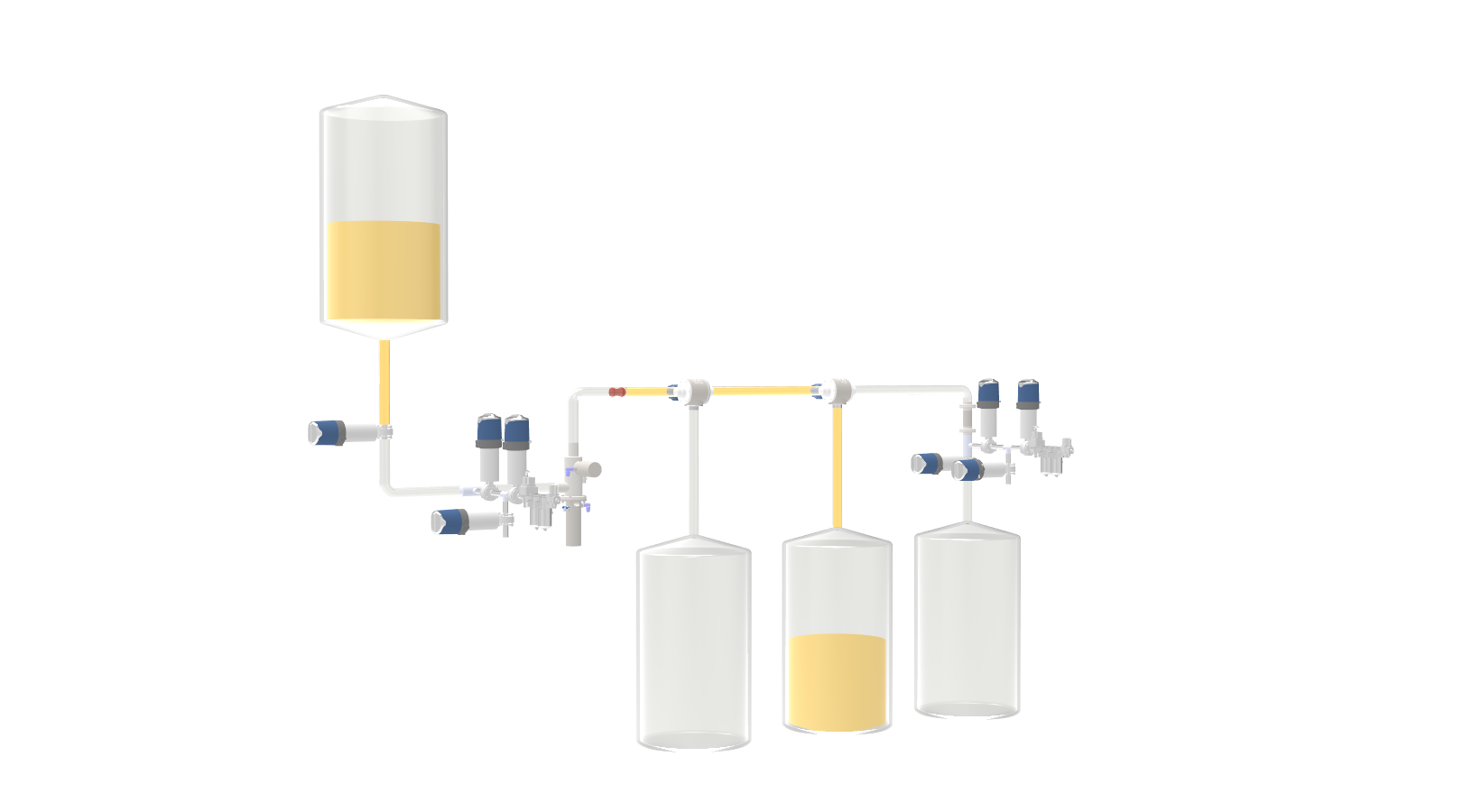
Increasing process efficiency needs strategic adjustment of Pig timing.
Correct Stream Pig Rate of Movement Steering: Focused Operational Roadmap
Obtaining paramount pig cadence is necessary for capable pipeline upkeep. Directing pig advancement correctly demands a profound insight of numerous factors, incorporating pipeline arrangement, pig formation, and product qualities. This guide examines pipeline pig speed control operational strategies for calibrating pig velocity, covering themes like deployment pressure, collection pressure, and the effect of pressure at the end. Ultimately, stable pig speed supervision leads to enhanced tube solidness and decreased running disbursements.Considerations Influencing Pigging Configuration Movement
Multiple essential components influence the cadence at which a pig advances through a pipeline. Tension, both the initial and ending, is a considerable force; a higher pressure differential frequently causes a faster pigging cadence. The width of the duct also plays a purpose, with larger diameters allowing for expanded pig velocities. Furthermore, the instrument's construction, including its dimension and configuration, expressly impacts its advancement. Finally, the level of sediment and the roughness of the pipe wall can instigate friction, restraining pigging movement.
Keeping Optimal Pig Pace in Flows
Affirming steady element speed within network layouts is indispensable for maximized performance. Several drivers influence element velocity, including channel dimension, compression, and fluid weight. Routine evaluation of substance progression and fast optimization of procedural parameters are required to avoid clogs and safeguard best functionality.
Steering Pig Rate: Essential to Effective Pipeline Sanitation
Effectively managing cleaning momentum is essentially important for accomplishing a successful pipeline sanitation. Too fast a rhythm can injure the network, while inadequate a progression may block eradicating all residue. Therefore, precise refinement of the scraper's operational timing is important to both channel integrity and process effectiveness.
Such Consequence of Pig Cadence on Pipeline Pigging Functions
A flow of the tool significantly affects the capability of pipeline cleaning activities. A gradual cadence may enable for more in-depth buildup removal, particularly in involved pipeline areas, but can stretch the overall activity length and probably increase running outlays. Conversely, a amplified rate can advance the processing sequence, abbreviating stretch and outlay, however, it threatens a limited cleaning and can possibly injure the channel. Therefore, synchronizing pig rate requires precise review of pipeline parameters, product qualities, and desired conclusions.
Cleaning Arrangement Rate: Optimal Techniques and Repairs
Refining cleaning framework cadence is necessary for enhancing capacity and curtailing waiting times. Generally, adequate servicing rate ranges around several meters per duration, although this can transform depending on system caliber, material type, and equipment setup. If suffering from slow cleaning flow, investigate factors such as above normal resistance from encrustation, impaired device aspects, or narrowings within the pipe. Regular management, including apparatus inspection and waste clearance, is critical to sustain predictable servicing timing and holistic mechanism soundness.
Realizing Pipeline Pig Pace and its Impact
An cadence at which a scraper traverses a line is a pivotal factor impacting operation and reliability. High speed can lead to excessive abrasion, potentially leading to heightened expenditure and even hasty impairment of the pig itself, as well as the channel. Conversely, reduced velocity might trigger insufficient cleaning, increased stoppages, and a decline in overall performance. Therefore, careful calculation and reliable monitoring of pig transit rate are vital for boosting pipeline effectiveness and stopping costly disruptions.
Next-generation Procedures for Pig Pace Regulation
Improving stock timing through intake presents a vital challenge for up-to-date growers. Employing modern techniques like dynamic tracking of individual beast’s nutrition and utilizing exact nourishment management systems can substantially diminish instances of gorging and elevate overall cluster output. Furthermore, incorporating observation of habits with environmental controls – such as altering ambient conditions and lighting – provides vital data for calibrating livestock cadence standards and enabling a more steady expansion stage.