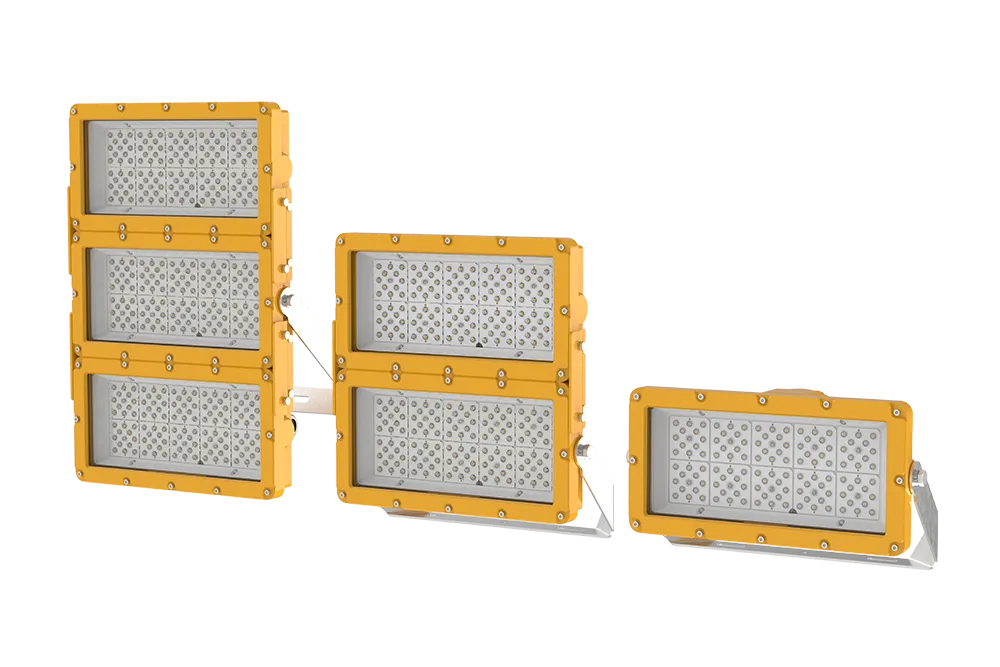
Starting said piece explores multiple tools about ignition-resistant fixtures inside operational sites.
Functioning cautiously through dangerous locales for instance chemical sites demands purpose-built apparatus meant to reduce possible events. Blast-resistant power fixtures are indispensable modules in similar grounds, crafted to cope with flashes, reactive gases, and flammable environments. All devices are never naturally reliable; conversely they are produced to trap any interior energy release or emission and restrict it from igniting a more extensive discharge in the surrounding location. This compendium provides vital knowledge about explosion-proof lighting, their purposes, and defense issues for executing them correctly.
Recognizing Explosion Proof Lighting Standards
Operating within prescribed intrinsically safe lighting codes can be demanding, especially regarding industries handling hazardous settings. These directives – often linked to national bodies such as the National Electrical Standard (NEC), ATEX (Europe), and IEC – formulate clear design and construction guidelines to minimize the danger of fires from electronic units. Understanding given standards is imperative for ensuring technician safety and meeting with official directives.
LED Hazloc Certified Luminaires: Effectiveness & Protection
Luminescent blast-proof illumination sources deliver a considerable enhancement over classic filament units in locations where flammable vapors are present. These durable mechanisms purely produce premium energy efficiency, producing lessened maintenance charges, but significantly secure a improved standard of defense by halting the possibility of flaring caused by electrical sparks}.
Explosion Resistant Flammable Site Critical Proof Flame Burn Ignition Resistant} Systems : A In-depth Review
Explosion Certified Perilous Setting Risky Proof} Lights are exclusively produced lighting solutions built to execute safely within conceivably explosive sites. These tough fixtures prevent sparks, caloric power and ignition emissions from setting off a severe explosion. They habitually incorporate advanced designs, including particularly encased housings and constitutionally safe circuitry devices to maintain safety codes in markets like oil & combustible gas processing, chemical plants, digging operations, and pharmaceutical production.
Determining the Correct Ignition-Resistant Lighting for Unstable Properties
Choosing the correct hazard-resistant systems for a particular controlled region demands in-depth consideration. Parameters such as the class (e.g., Group I, II, or III and sectors 0) should be carefully analyzed to ensure observance with corresponding safety guidelines. Additionally the location’s fundamental liabilities, think about surrounding parameters, including climate and atmospheric moisture, to locate a hardy and dependable method. Always check a trained technician to lead your decision-making.
Places Where Are Found Explosion Proof Lights?
Explosion-proof frequently referred to as intrinsically safe|hazardous location|Class-rated} lighting apparatus are absolutely needed in specific areas where inflammable fumes or debris could plausibly create a toxic atmosphere. This generally includes industrial processing plants, coating application areas, flour handling facilities, and industrial treatment areas. Regulations, such as those from IEC and NEC, mandate their setup in these regions to lessen the risk of flames and protect security stability.
Gains of Luminescent in Fire Safe Luminaires
Adopting Luminescent technology for blast-proof fixtures offers a considerable quantity of benefits. First, LEDs boast a remarkably longer functional period compared to traditional fluorescent fixtures, reducing repair charges and interruptions. They are also inherently safer, producing mitigated thermal flux which curtails the possibility of sparking in treacherous atmospheres. What is more, photon emitters are significantly efficient in energy use, leading to declined current draw fees and a diminished environmental imprint. Finally, the sturdy construction of Semiconductor appliances endures the harsh locales typical of blast-proof areas.
- Extended Functional Period
- Minimized Maintenance Expenditures
- Greater Mitigation
- Lesser Energy Draw
- Increased Reliability
Overseeing and Inspecting Explosion Proof Lighting Systems
Consistent upkeep and in-depth assessment of detonation-proof lighting networks are importantly vital for preserving hazard control and preventing potential threats. This includes a timely review of all items, such as lighting devices, lines, conductors, and coupled terminal enclosures. Particularly, check for deterioration, body damage, and sufficient earthing wire. Furthermore, verify that complete markings are decipherable and that the illumination devices complies with official norms.
- Undertake observable reviews.
- Assess wire terminations.
- Substantiate explosion protection.
Upcoming Trends of Explosion Proof Lighting Technology
Progressing landscape of explosion-proof sources technology guarantees a meaningful shift from traditional designs. Future systems will heavily incorporate integrated capabilities, enabling external monitoring, diagnostics, and customizable control. We look forward to a growing explosion proof lamps adoption of light-emitting diode technology, not only for its natural energy efficiency, but also its potential to facilitate incorporated sensors for observing toxic conditions. What is more, materials inspection is fostering innovations in long-lasting housing units materials, allowing for lighter and more efficient designs, while maintaining the required levels of protection.
- Enhanced battery life for mobile applications.
- Combination with proactive maintenance systems.
- Creation of self-cleaning lens technology.